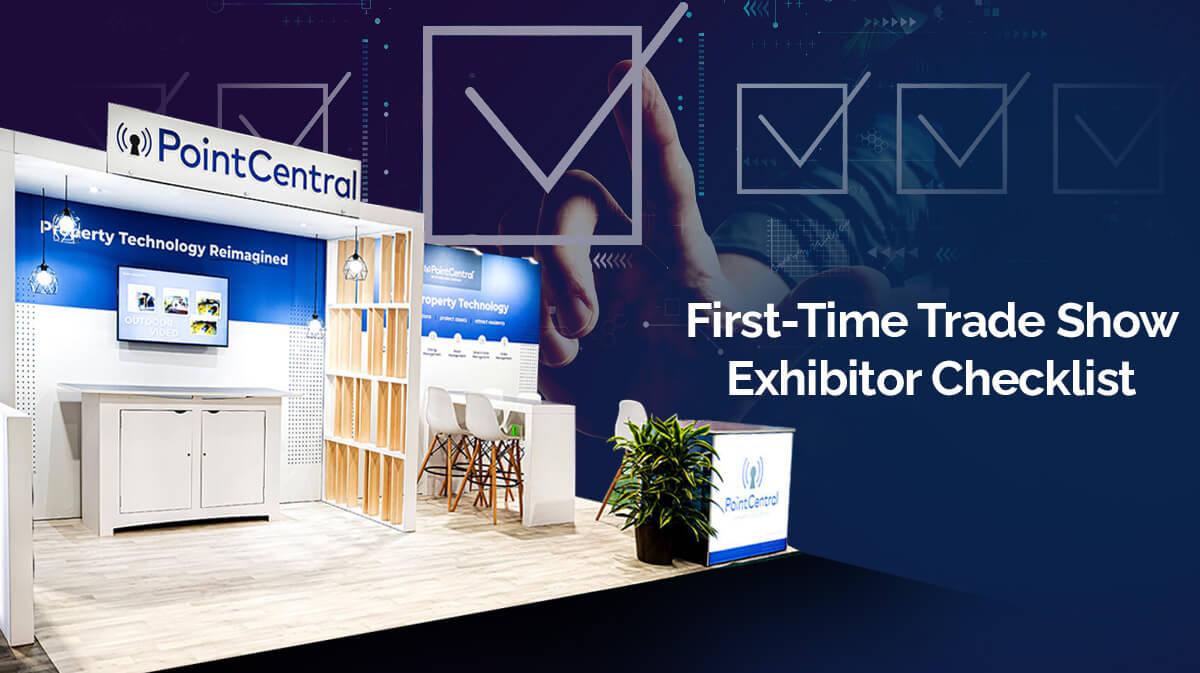
Trade Show Checklist: How to Prepare for a Successful Event
Without a doubt, trade shows are an effective way to increase branding and gain customer leads. For many, starting out in the trade show arena can be a little intimidating. First-timers often feel out of their element and are unsure of the steps they need to take to experience a successful event.
With this first-time exhibitor checklist, you will be fully prepared to shine.
Key Trade Show Tips for Exhibitors
Whether you’re gearing up for your first exhibit or your fiftieth, having a solid plan is what separates a productive show from a forgettable one. Use this trade show exhibitor checklist to confidently cover your bases from booth setup to lead strategy:
- Set Clear Goals: Define objectives before the show so you know exactly what you’re working toward, whether that’s leads, brand awareness, or new partnerships.
- Know Your Space: Research the venue, your booth dimensions, and surrounding exhibits so your display fits the environment and stands out.
- Promote Before You Arrive: Use social media and email to let your audience know where to find you. The more people who know ahead of time, the bigger your crowd on the day.
- Give Attendees A Reason To Stop: A raffle, giveaway, or compelling demo creates natural engagement and gives your team the perfect opening to connect with visitors.
- Staff Your Booth With Your Best People: Your booth representatives are your brand in person, so put your most knowledgeable and engaging team members front and center.
 Step-by-Step Trade Show Checklist
While it may be tempting to jump in headfirst with a trade show event, making a plan for before, during, and after the show will be key to setting you up for long-term success.
Trade show events are exciting and overwhelming. However, without proper planning, new exhibitors can find themselves getting lost in the crowd and mindlessly waiting for audience engagement that never happens.
If you truly want to be successful in your first trade show and many others to come, following this guide is essential. Here, you will have each step broken down in an easy-to-follow format.
Pre-Show Steps
Successful trade show preparation starts well before you set foot on the floor. Whether you’re a first-time exhibitor or a seasoned pro, following a structured trade show preparation timeline keeps your team aligned and ready to execute. Here’s a look at some tips for what to do before the event begins:
- Start Planning Early (3–6 Months in Advance): Begin the planning process three to six months before the event is scheduled to take place. This pre-planning should include both the event details and what your team needs to be comfortable in the city you’re visiting. Look into booking hotels close to the venue, rental cars, and restaurant reservations well in advance, as all the other exhibitors at your show will likely be browsing the same offerings.
- Create an Action Plan: Write your goals down in a shared document so every team member can reference them throughout the planning process.
- Read the Trade Show Manual: Carefully review the show manual to understand the venue’s specific rules, regulations, and deadlines, ensuring all required paperwork is completed and submitted on time.
- Define Your Target Audience: Ask yourself who your company is targeting, what their interests are, and how your products or services meet their needs. These answers will directly shape your booth design and messaging.
- Establish a Budget: Account for travel, booth rental, equipment, staffing, and giveaways, and always budget more than you expect to spend. First-time exhibitors, especially, should anticipate higher upfront costs due to initial equipment purchases.
- Assemble and Train Your Team: Staff your booth with your most knowledgeable and engaging people, assign clear roles, and prioritize training so everyone shows up ready to represent your brand.
- Launch Marketing Efforts: Start promoting as early as possible using social media and your website, sharing event details so your audience knows exactly where to find you before the show even opens.
During the Show Steps
All the prep work leads up to the big event. So, make the most of every hour on the floor with these on-site tips.
- Greet Visitors Proactively: Don’t wait for attendees to approach you! A warm, confident greeting goes a long way in converting visitors into real conversations.
- Use Demos and Incentives to Draw People In: Live demonstrations, interactive elements, and giveaways naturally pull people toward your booth and give your team an easy opening to engage.
- Have a Consistent Lead Capture System: Use a badge scanner, digital form, or sign-up sheet to collect contact information from every interested visitor so no lead slips through the cracks.
- Qualify Leads During Conversations: Ask targeted questions while you engage with attendees so you can prioritize the most promising prospects when it comes time to follow up.
- Keep Your Booth Staffed and Energized: Rotate your team members throughout the day to maintain enthusiasm and ensure there’s always someone ready to engage at your booth.
- Stay On-Message as a Team: Every staff member should be delivering a consistent pitch that reflects your brand and aligns with the goals you set during planning.
- Track Engagement in Real Time: Note which demos, talking points, or giveaways are resonating most so you can adjust your approach on-the-fly if something isn’t working.
- Measure Daily Progress Against Your Goals: Log lead volume and quality at the end of each day to gauge whether you’re on track to hit your targets before the show closes.
After the Show Steps
The work doesn’t stop when the booth comes down. What you do in the days and weeks following a trade show is just as important as the preparation that went into it. This is where leads turn into relationships and effort turns into a strong return on investment. Follow these post-show steps to set yourself up for an even stronger showing next time.
- Follow Up With Leads Promptly: Reach out to contacts within 48–72 hours of the show’s close while your conversations are still fresh in their minds, and your brand is top-of-mind.
- Send Personalized Outreach: Reference specific conversations or interests from the show floor in your follow-up messages. A personal touch can significantly increase the chance of a response.
- Gather Feedback From Your Team: Debrief with your booth staff to surface what worked, what didn’t, and what should be done differently at the next show.
- Audit Your Booth and Materials: Assess the condition of your displays, signage, and collateral so you know what needs to be repaired, restocked, or redesigned before the next event.
- Calculate Your Return On Investment (ROI): Add up all show-related costs and weigh them against leads generated and deals closed to determine whether the event delivered a worthwhile return.
- Document Your Learnings: Record key takeaways in a shared document so your entire team can reference them when planning for the next trade show.
- Start Planning for the Next Show: Use everything you’ve learned to get a head start on your next event. The best time to begin your trade show planning guide is before the momentum fades.
Common Mistakes First-Timers Make and How to Avoid Them
 It is your first time exhibiting and nerves are running high. First-timers often make mistakes that prevent them from being able to enjoy the experience.
The following tips offers insight into some of the biggest mistakes new exhibitors make and how they can be avoided.
- Going Too Big Too Soon: It’s tempting to make a splash with a large, elaborate booth right out of the gate, but starting smaller lets you test messaging, layout, and engagement strategies before committing to a larger investment.
- Overloading Your Booth With Cluttered Graphics: Too much visual information overwhelms visitors and dilutes your message. Keep signage clean, focused, and easy to absorb in the few seconds someone spends walking past your booth.
- Giving Away Generic, Low-Impact Swag: Pens and tote bags are easy to forget and easy to toss. Choose branded giveaways that are useful, memorable, and relevant enough to your audience that they’ll actually keep them.
- Skipping Proper Booth Staff Training: Trade show engagement is a different skill set than everyday sales or customer service, so take the time to train your team on how to initiate conversations, qualify leads, and deliver a consistent pitch on the show floor.
- Neglecting Daily Booth Upkeep: A disheveled booth signals disorganization to attendees. Take a few minutes at the start and end of each day to clean, restock materials, and reset your display so it always looks its best.
- Spending Too Much Time Socializing With Fellow Exhibitors: Building industry relationships has its place, but extended conversations with neighboring booths pull your attention away from the prospects walking right past you.
- Choosing the Wrong Trade Shows: Not every event is worth your time and budget. Research each show’s attendee demographics, industry focus, and past exhibitor results to make sure it genuinely aligns with your target audience and business goals.
 Start Planning For Your Trade Show
Trade shows are one of the most dynamic ways to promote your brand, generate leads, and gain inspiration from your industry. Use this guide to help you prepare for the process — and don’t feel discouraged if your first show doesn’t go perfectly. It takes time to master the art of trade show exhibition, and every event teaches you something new.
What cannot be stressed enough is that planning is everything. The more prepared you are in advance, the better your chances of walking away with real results. With each new show, build on what worked, learn from what didn’t, and carry those lessons into your next event.
Ready to make your next trade show your best one yet? Contact the Exponents team to get expert guidance on booth design and rental, or start browsing exhibit options today to find the perfect fit for your next show.
Related Posts
New Gaylord Pacific Resort & Convention Center in Chula Vista: What Exhibitors Need to Know